
Pattern Coins
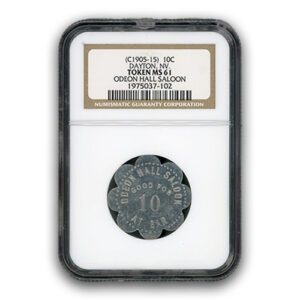
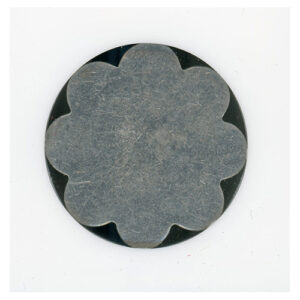
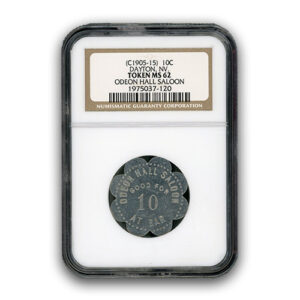
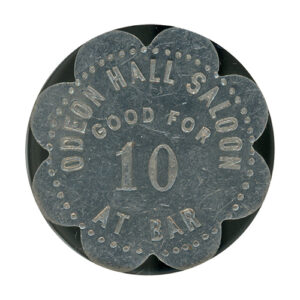
Pattern coins are prototype coins created to test and evaluate potential new designs, metals, or features before they are officially minted for public circulation. Typically struck in limited quantities, these pattern coins are often used by mints and governments to assess the appearance, durability, and practicality of a proposed coin. They serve as experimental pieces that help officials decide whether to approve, reject, or modify a design.
Pattern coins can vary in material, denomination, and design details from the final circulating version, making them rare and highly sought after by collectors and investors. The historical significance and scarcity of pattern coins often elevate their value in numismatic circles, as they offer a glimpse into the minting process and the evolution of currency. Examples of notable pattern coins include early U.S. coins and coins from other countries that showcase unique designs or trial features that were never fully realized.

$500.00