

Medieval Coins
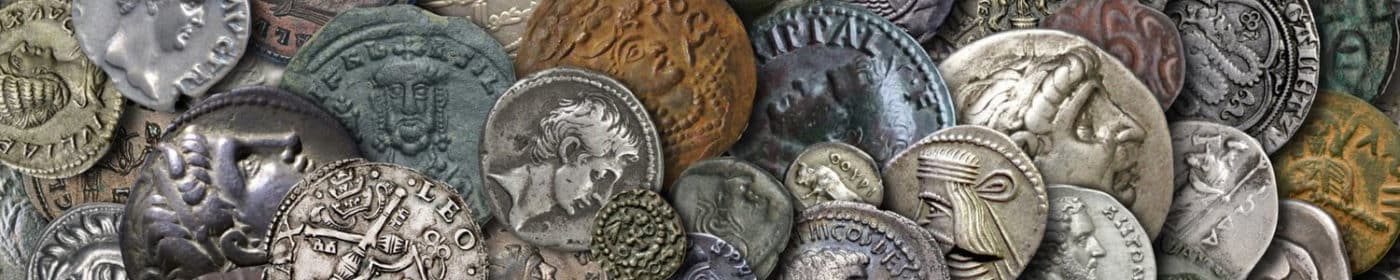
Medieval coins were vital elements of trade and commerce in Europe between the 5th and 15th centuries. Crafted primarily from gold, silver, and copper, these coins reflect the political, economic, and cultural landscape of the time. Early medieval coins were often crude, with irregular shapes and minimal designs, but by the High Middle Ages, they became more standardized and featured intricate depictions of rulers, religious symbols, and heraldic emblems. Coins varied significantly from region to region, with notable examples being the English penny, Byzantine solidus, and Islamic dinar.
Monarchs and local authorities controlled coin production, using it as a means to demonstrate power and influence. Due to a lack of modern banking systems, medieval coins were essential for trade, both locally and internationally, connecting diverse cultures and economies. Today, these coins are valued by collectors and investors for their artistry and historical significance, offering a tangible link to the past.